

Monthly Newsletter
CBF Celebrates Rare Disease Awareness Week and Black History Month
February 2026
Advancing Hope: California Marks Rare Disease Week 2026
Rare Disease Week, held each year during the last week of February, leads into Rare Disease Day on February 28 (or 29 in leap years). The annual observance raises awareness for the 300 million people worldwide living with rare diseases and highlights the urgent need for continued research, treatment innovation, and equitable access to care.
More than 7,000 rare diseases affect over 30 million Americans. Conditions such as sickle cell anemia, spinal muscular atrophy, ALS, mucopolysaccharidosis (MPS), Batten disease, cystinosis, and achondroplasia are often life-threatening, and most still lack approved treatments. While the U.S. Food and Drug Administration (FDA) has authorized more than 1,100 rare disease therapies, nearly 90 percent of rare diseases remain without an FDA-approved treatment. For families, the burden is not only medical but emotional and financial.
California’s life sciences community is helping change that reality. Through sustained investment in research and breakthrough technologies—including gene therapy and other advanced platforms—California companies like Amgen, BioMarin Pharmaceutical and Neurocrine Biosciences are increasingly targeting the root causes of rare diseases. More than 700 clinical trials are currently underway nationwide, with California companies, researchers, clinicians, and patient advocates at the forefront. Nearly 200 rare disease therapies have originated in California through a patient-first approach to innovation. Just this week the FDA announced that it is enhancing its “Accelerated Approval” pathways for rare diseases to expedite therapies, particularly for ultra-rare, genetic, and gene-editing treatments.
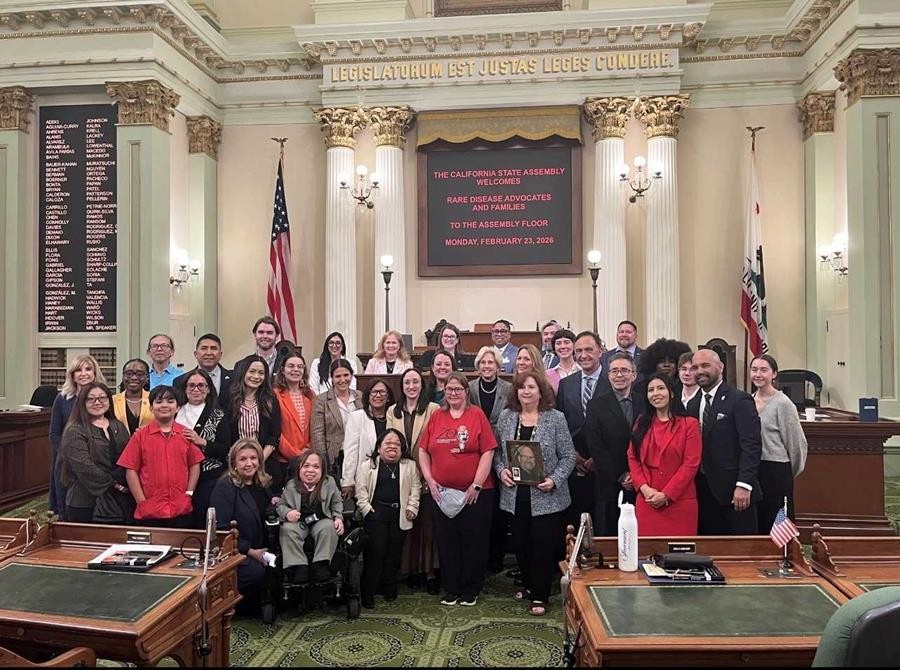
This year, the introduction of ACR 132 by Assemblymember Diane Dixon, formally recognized Rare Disease Day in California and promoting awareness, early diagnosis, and continued progress toward treatments and cures. Powerful patient advocates joined the Assembly for the resolution’s introduction on February 23 including Patricia Ramos, who lives with MPS VI and serves on the Board of Directors of the National MPS Society, Suzette James, Vice Chair of the BDSRA Board and mother to Maya and Xavier, both living with CLN2 Batten disease.
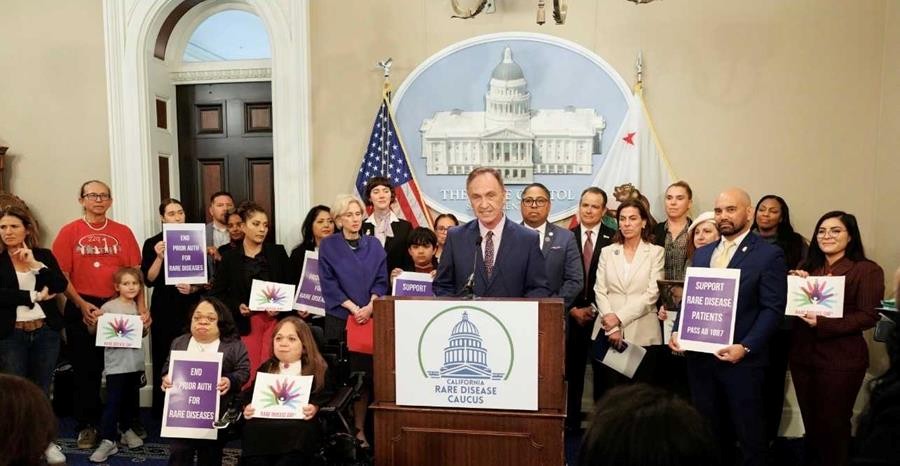
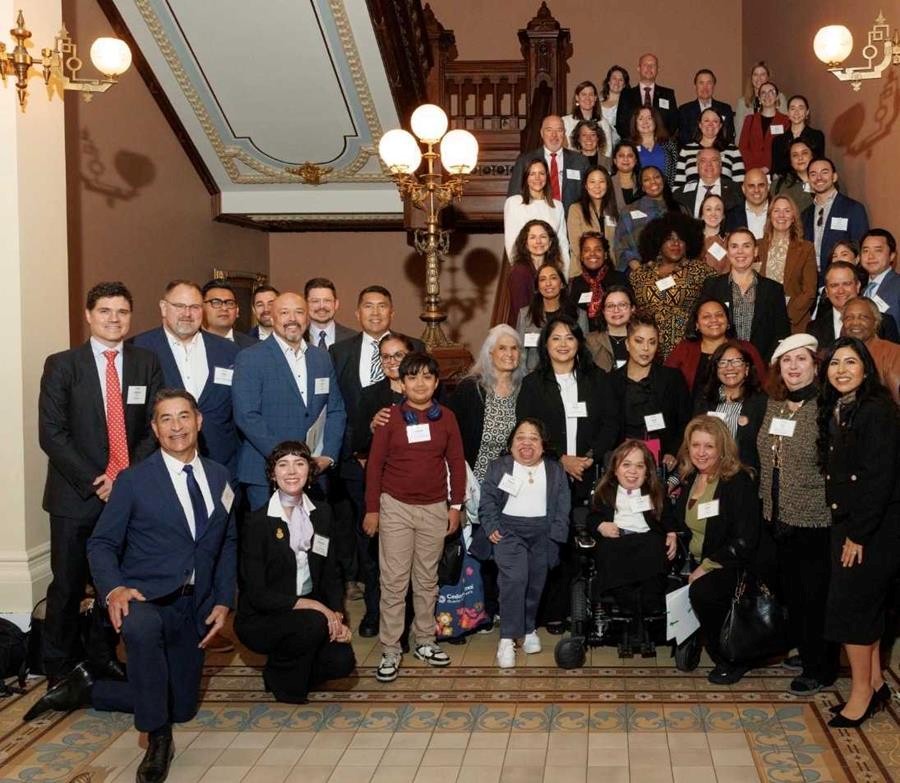
On February 24, Rare Disease Advocacy Day brought patients, clinicians, researchers, and industry leaders together at the California State Capitol. The event highlighted policy priorities focused on improving patient access to therapies.
Together, these efforts reflect California’s leadership in rare disease innovation and advocacy. As a member of the California Rare Disease Access Coalition steering committee, CBF looks forward to working with policymakers and partners to ensure scientific progress translates into earlier diagnoses, meaningful treatments, and lasting hope for rare disease patients and families across our state.
Honoring Black History Month: Advancing Innovation, Equity, and Patient Impact in Life Sciences
Each February, Black History Month offers an opportunity to recognize the leaders, innovators, and advocates whose contributions have strengthened modern healthcare and expanded opportunity in science and medicine. The California Biotechnology Foundation proudly recognizes the following individuals whose work advances discovery, improves patient outcomes, and helps ensure innovation reaches every community.
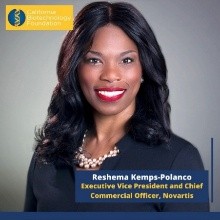
Reshema Kemps-Polanco, Executive Vice President and Chief Commercial Officer at Novartis US. A respected biotechnology leader, Kemps-Polanco helps guide the delivery of innovative medicines across oncology, immunology, and neurology. Her leadership reflects how scientific advancement and patient access must move forward together to improve health outcomes nationwide.
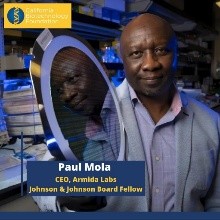
Paul Mola, CEO of Armida Labs, for his commitment to advancing biotechnology innovation while fostering mentorship and inclusion within the industry. Through his leadership, Mola continues to champion a more diverse workforce and a stronger innovation pipeline — both essential to maintaining California’s global leadership in life sciences.

Bernard Parker, Chief Business Officer at SPHBio and a member of the Biocom board of directors. With more than two decades of experience in biopharma, Parker’s work in strategic partnerships and research development helps accelerate new therapies while promoting a more inclusive and collaborative biotech ecosystem.
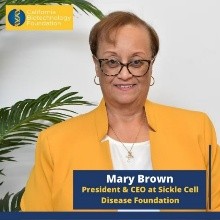
Mary Brown of the Sickle Cell Disease Foundation, whose more than 40 years of advocacy has transformed support, education, and awareness for individuals and families affected by sickle cell disease. Her leadership underscores the critical role patient advocates play in bridging scientific progress with real-world community impact.
Together, these leaders represent the spirit of innovation and service that defines California’s life sciences community. As policymakers continue shaping healthcare and research policy, their work serves as a reminder that diverse leadership strengthens scientific discovery, expands access to care, and helps ensure that medical breakthroughs benefit all Californians.
Stay informed on the latest news and trends on the economic and health benefits of this industry by visiting CABiotech.org
If you have any questions about hosting informational briefings for your colleagues serving in the legislature, contact California Biotechnology Foundation Executive Director Patty Cooper at (916)764-2434 or [email protected].