


Monthly Newsletter
CBF Brings Awareness to Tardive Dyskinesia in California and Celebrates 20 Years
April 2026
Shining a Light on Tardive Dyskinesia in California: Advancing Education, Innovation, and Access to Care
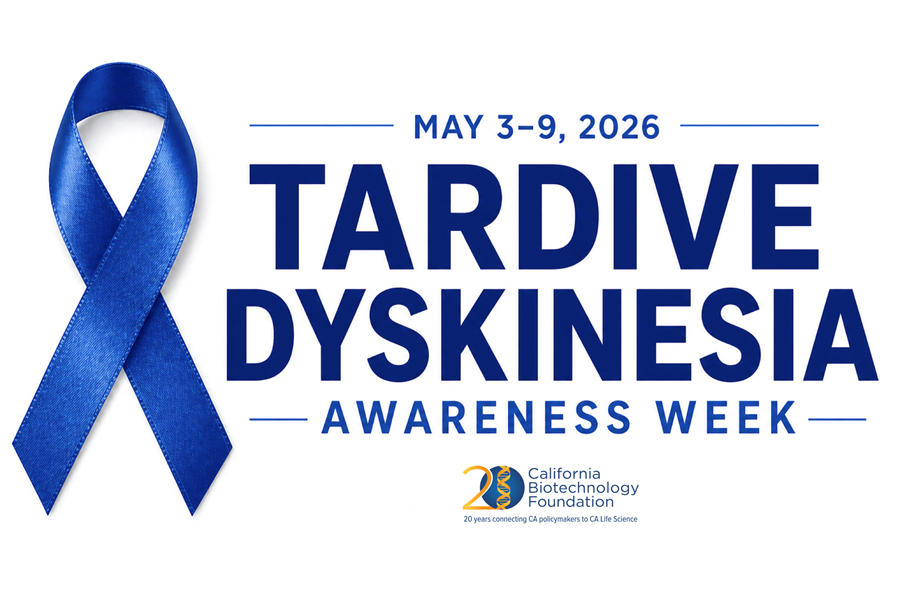
During the 2026 legislative session, California policymakers are recognizing May 3–9, 2026, as Tardive Dyskinesia Awareness Week, an important step in raising visibility for a serious yet often overlooked condition. On May 4, 2026 Senator Catherine Blakespear will present a Senate resolution formally recognizing Tardive Dyskinesia Awareness Week on the State Senate floor.
Tardive Dyskinesia (TD) is an involuntary movement disorder that affects at least 800,000 adults in the United States, with approximately 60% of individuals remaining undiagnosed. TD is associated with prolonged use of antipsychotic medications, which are essential treatments for individuals living with mental health conditions such as bipolar disorder, major depressive disorder, schizophrenia, and schizoaffective disorder. While these therapies play a critical role in stabilizing mental health, they can also lead to abnormal, involuntary, and repetitive movements that significantly interfere with daily functioning.
Beyond the physical symptoms, TD can carry a profound emotional burden. Individuals living with TD may experience stigma, embarrassment, and social withdrawal, compounding the challenges already faced in managing mental illness. Increased awareness is essential to reduce stigma and ensure patients feel supported in seeking care.
Tardive Dyskinesia Awareness Week serves as a call to action for healthcare providers, policymakers, and patient advocates to prioritize routine screening for individuals who have been treated with antipsychotic medications. Early detection and timely intervention can improve patient outcomes and quality of life.
The California life science community remains committed to advancing education, innovation, and access to care for individuals affected by neurological and psychiatric conditions. By supporting initiatives like TD Awareness Week, California continues to lead in promoting public health and addressing unmet medical needs.
To learn more about TD and available resources, visit TalkAboutTD.com. On May 7, 2026 from 9:30 – 11:00 a.m., the California Access Coalition and Neuocrine Biosciences will host a virtual webinar, Elevating awareness of Tardive Dyskinesia in behavioral health care, where health stakeholders, clinicians, community caregivers, and patient advocates will convene to elevate awareness of TD and highlight the importance of routine screening and early identification. Register at this LINK.
California Biotechnology Foundation Celebrates 20 Years of Advancing Life Science Awareness
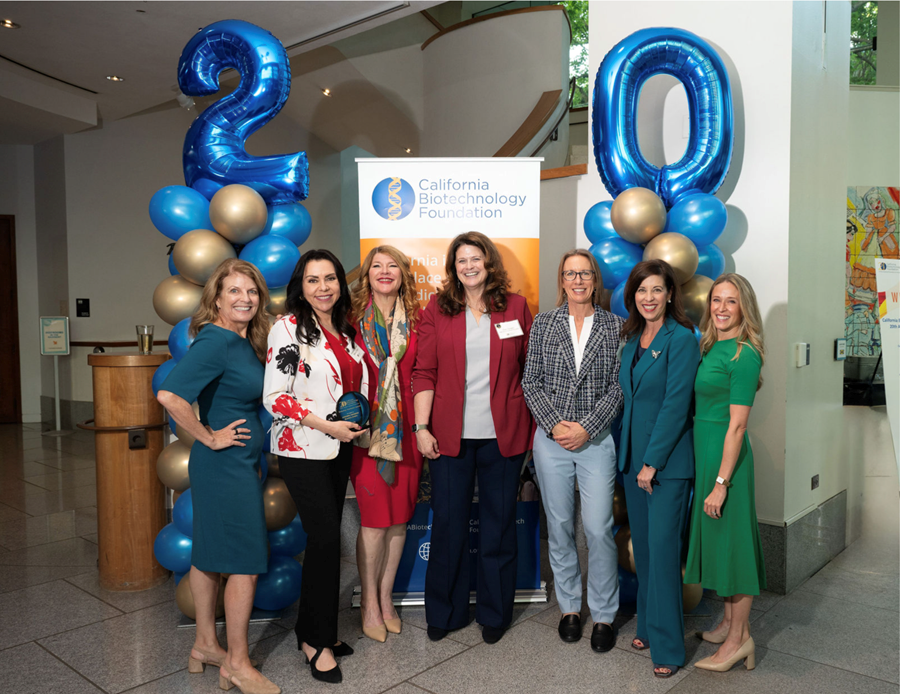
The California Biotechnology Foundation (CBF) recently marked its 20th anniversary with a legislative reception at the California Museum, bringing together state leaders, patient advocates, and representatives from California’s life science community.
The event celebrated two decades of CBF’s work as a trusted, nonpartisan resource connecting policymakers with the research, data, and real-world impact of California’s life science sector. Since its founding, CBF has played a key role in fostering informed policymaking by highlighting the industry’s contributions to medical innovation, economic growth, workforce development, and improved health outcomes.
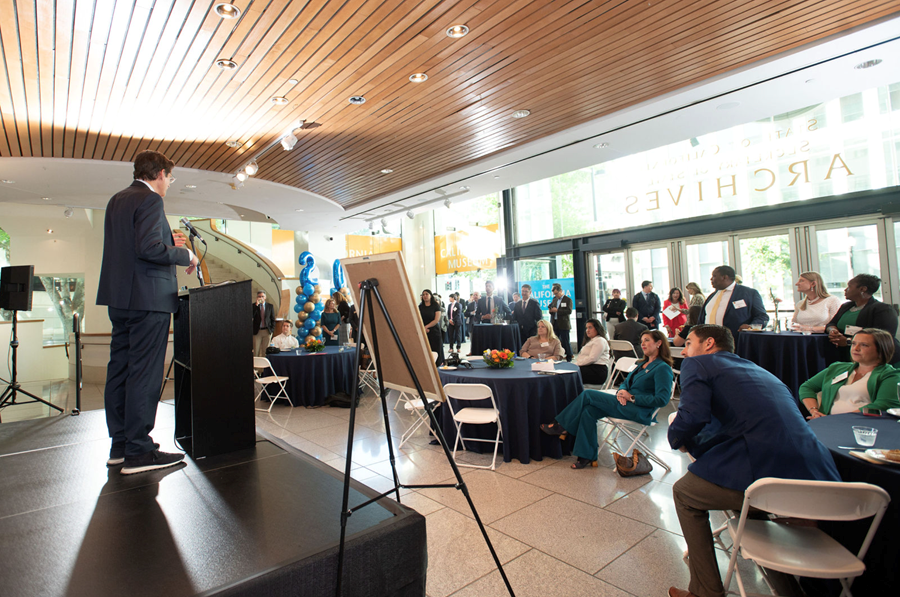
The evening celebrated several legislative “Enduring Champions” including Senators Josh Becker and Akilah Weber Pierson and Assemblymembers Tasha Boerner, Heath Flora, Jacqui Irwin, Cottie Petrie-Norris, Blanca Rubio, Chris Ward. Throughout the evening, speakers emphasized the importance of continued collaboration between policymakers and the life science community to ensure California remains a global leader in the industry.
A highlight of the celebration was the presentation of a California State Senate resolution, led by Senator Catherine Blakespear, honoring CBF’s 20 years of education and outreach. The resolution also recognized Patty Cooper’s leadership in building the organization into a respected voice at the intersection of science and public policy. Senator Blakespear also officially presented CBF with the Senate Resolution the next day on the State Senate floor.
As the state faces evolving healthcare and economic challenges, CBF’s role in supporting informed, science-based policy discussions remains as critical as ever. CBF looks forward to continuing its mission in the years ahead—strengthening partnerships, elevating patient voices, and supporting policies that advance innovation and improve lives across California and worldwide.
Stay informed on the latest news and trends on the economic and health benefits of this industry by visiting CABiotech.org
If you have any questions about hosting informational briefings for your colleagues serving in the legislature, contact California Biotechnology Foundation Executive Director Patty Cooper at (916)764-2434 or [email protected].