

Monthly Newsletter
CBF Addresses Health Care Costs in California and Celebrates Women’s History Month
March 2026
Setting the Record Straight on Health Care Costs in California
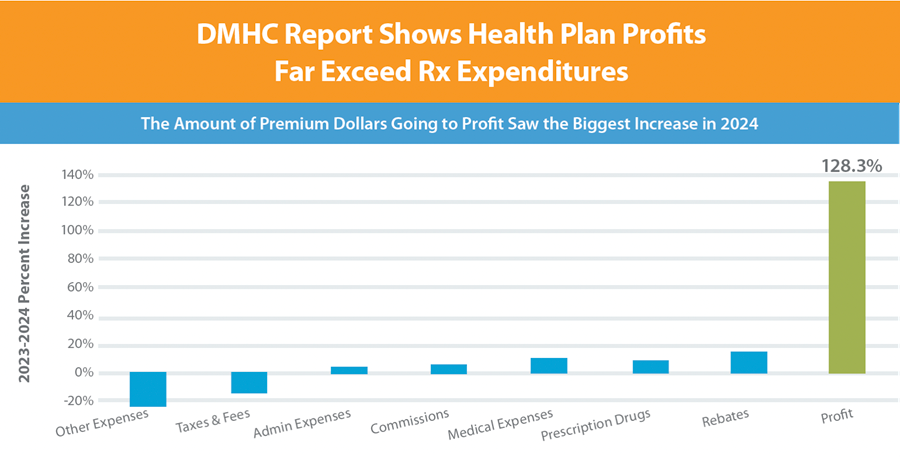
Each year, the California Department of Managed Health Care (DMHC) releases its report on prescription drug costs—often reinforcing the narrative that rising drug prices are a primary driver of increasing health care premiums. However, a closer look at the data tells a very different story.
The California Biotechnology Foundation has released its annual fact sheet to provide additional context and highlight what the DMHC report leaves out.
The key takeaway is clear: prescription drugs represent a small and stable share of health plan spending, while health plan profits and non-medical costs are rising dramatically.
According to the DMHC’s own data, health plan profits surged from $399 million in 2022 to $2.9 billion in 2024—a staggering 626% increase in just two years. At the same time, prescription drugs accounted for only about 11–12% of premium spending, remaining relatively consistent over time.
The report also fails to fully account for the rapid growth in Rx manufacturer rebates and discounts, which have increased nearly 250% since 2017, reaching approximately $3.2 billion in 2024. These savings are often retained by health plans and pharmacy benefit managers, rather than passed on to patients at the pharmacy counter.
CBF’s fact sheet provides a deeper look at the data and calls for a more transparent, patient-centered conversation about affordability—one that focuses on the real drivers of cost in California’s health care system.
Women Leading the Future of Life Sciences
This Women’s History Month, the California Biotechnology Foundation is proud to recognize the extraordinary women driving innovation across California’s life sciences ecosystem. From pioneering gene-editing technologies to advancing AI-driven drug discovery and expanding treatment options for patients, these leaders are shaping the future of medicine and improving lives around the world.
Their work reflects the strength, diversity, and ingenuity that define California’s life science community—and underscores the importance of continuing to elevate and support women in science.

Rachel Haurwitz, PhD, CEO at Berkeley-based Caribou Biosciences, is a pioneer in CRISPR technology, helping transform a groundbreaking scientific discovery into a powerful platform for developing next-generation gene-edited therapies.

Sabrina Johnson, CEO, Daré Bioscience has led the development of innovative therapies that expand treatment options and access in women’s health.

Metasebya Solomon, Co-Founder & COO, D10 Therapeutics is leading efforts to develop novel monoclonal antibody therapies to improve outcomes for patients with sickle cell disease.
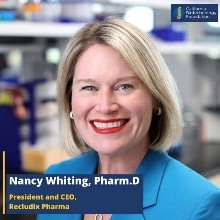
Nancy Whiting, CEO, Recludix Pharma, is advancing innovative approaches to treating neurological conditions, with a focus on improving patients’ quality of life.

Alice Zhang, CEO & Co-Founder, Verge Genomics is advancing artificial intelligence in drug discovery, accelerating the search for treatments for complex diseases like ALS and Parkinson’s.
Together, these leaders represent the innovation and impact of women across California’s life science sector—advancing science, strengthening communities, and shaping the future of health.
Stay informed on the latest news and trends on the economic and health benefits of this industry by visiting CABiotech.org
If you have any questions about hosting informational briefings for your colleagues serving in the legislature, contact California Biotechnology Foundation Executive Director Patty Cooper at (916)764-2434 or [email protected].